

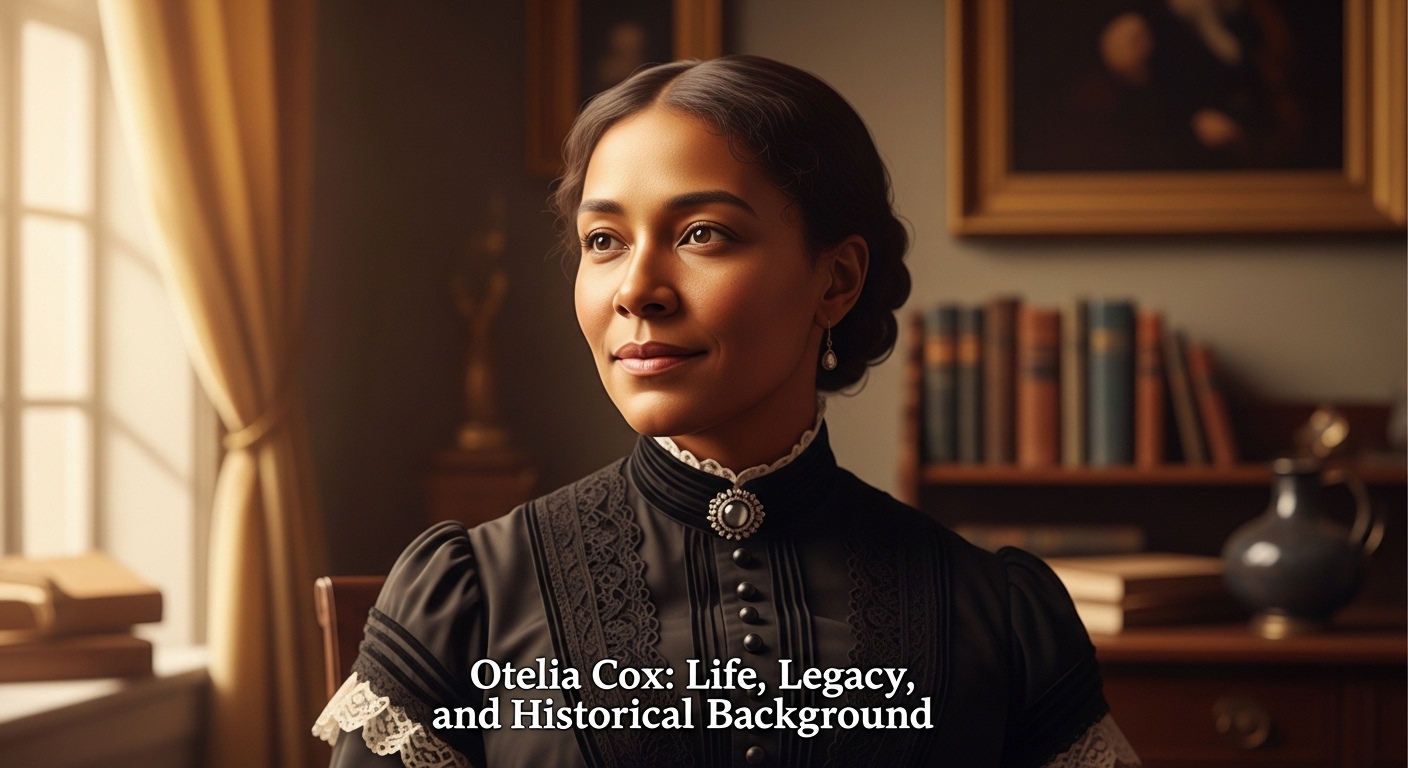
Otelia Cox is a historical figure primarily known through her connection to the 19th-century American political and social landscape. While she is not widely documented in mainstream historical records, her name appears in genealogical and historical references tied to prominent families of the period. Understanding Otelia Cox requires looking at the broader context of her era, including family structures, regional history, and the social roles of women in 19th-century America.
In historical research, many individuals like Otelia Cox are not recorded as public figures but are still important in understanding family histories and local heritage. Their lives help researchers reconstruct social patterns, community relationships, and generational lineage.
Otelia Cox and Her Historical Context
Otelia Cox is believed to have lived during a period when American society was undergoing significant transformation. The 19th century in the United States was marked by industrial growth, expansion, and major political changes. Women during this time often played central roles in family life, education, and community development, even if their contributions were not always formally recorded.
Historical references suggest that Otelia Cox may have been connected to families involved in regional development or public service. However, detailed biographical records are limited, which is common for many women of her time.
| Aspect | Historical Context of Otelia Cox |
|---|---|
| Time Period | 19th-century America |
| Social Role | Likely family and community-oriented |
| Documentation | Limited historical records |
| Significance | Genealogical and historical interest |
Because records from that era were often incomplete, much of what is understood about individuals like Otelia Cox comes from census data, family archives, and local histories.
The Role of Women in the Era of Otelia Cox
To understand Otelia Cox, it is important to consider the role of women during her lifetime. In 19th-century America, women were primarily responsible for managing households, raising children, and supporting family structures. Their contributions, while essential, were often not documented in official historical records.
Despite limited public recognition, women played a vital role in maintaining social stability. They contributed to education by teaching children at home, supported community events, and often participated in church and charitable activities.
Otelia Cox would have lived in a society where opportunities for women outside the home were limited. However, many women still influenced their communities in meaningful ways through informal leadership and social engagement.
Family and Genealogical Significance of Otelia Cox
Much of the interest in Otelia Cox today comes from genealogical research. Family historians often trace lineage through records such as birth certificates, marriage documents, census listings, and land ownership files.
The surname Cox is relatively common in English-speaking countries, particularly in the United States and the United Kingdom. This makes it important to carefully distinguish individuals within historical records.
Otelia Cox may appear in family trees connected to regional settlements or historical communities. In genealogy, even individuals with limited public records can hold significant importance because they serve as links between generations.
| Genealogy Source | Possible Information Found |
|---|---|
| Census Records | Household structure and residence |
| Marriage Records | Family connections |
| Birth Records | Lineage tracking |
| Church Archives | Community involvement |
These records help historians and descendants build a clearer picture of family history.
The Cox Family Name and Its Historical Background
The surname Cox has English origins and is derived from a nickname or occupational reference. It is believed to have been used historically to describe someone who was energetic or possibly associated with poultry farming in early England.
Over time, the Cox surname spread widely across the United States, especially during periods of immigration and settlement. Families carrying this name became part of various communities, contributing to agriculture, trade, politics, and local development.
Otelia Cox, as part of this broader surname history, represents one of many individuals whose personal story contributes to the larger narrative of migration and settlement.
Otelia Cox in Historical Records
While detailed biographical accounts of Otelia Cox are limited, individuals with this name may appear in regional historical documents. These records often include census listings, marriage registers, or property documents that provide small but important details about her life.
In many cases, historical figures like Otelia Cox are not widely documented because record-keeping practices in the 19th century were inconsistent, especially for women and individuals outside political or economic prominence.
However, even limited records can provide valuable insights into:
- Place of residence
- Family structure
- Economic conditions
- Community involvement
These fragments help historians reconstruct everyday life in earlier centuries.
Social and Cultural Environment of the Time
The period in which Otelia Cox likely lived was shaped by strong community ties and traditional social structures. Families often lived in close-knit rural or semi-urban communities where cooperation and shared responsibility were essential.
Education was becoming more widespread during the 19th century, but access varied depending on region and economic status. Religious institutions also played a central role in daily life, influencing moral values and social interactions.
Within this environment, individuals like Otelia Cox would have been part of a society undergoing gradual modernization while still maintaining traditional values.
Challenges in Historical Research on Otelia Cox
One of the main challenges in studying figures like Otelia Cox is the lack of detailed records. Many historical documents either did not survive or were never created in the first place. Women, in particular, were often underrepresented in official records unless they were connected to notable public figures.
Researchers often rely on indirect evidence to learn about such individuals. This includes examining family trees, cross-referencing census data, and studying local histories.
| Research Challenge | Explanation |
|---|---|
| Limited Documentation | Few official records available |
| Common Surname | Difficulty distinguishing individuals |
| Incomplete Archives | Missing or damaged records |
| Historical Bias | Underrepresentation of women |
Despite these challenges, genealogists continue to piece together information that helps preserve the memory of individuals like Otelia Cox.
The Importance of Preserving Historical Names
Even though Otelia Cox may not be a widely known historical figure, her name holds importance in the study of genealogy and local history. Every individual recorded in historical documents contributes to a broader understanding of society and its development.
Preserving these names helps future generations understand how families evolved and how communities were formed. It also highlights the importance of everyday individuals in shaping history, even if they were not publicly recognized.
Conclusion
Otelia Cox represents one of many historical figures whose lives are partially preserved through genealogical records and historical references. While detailed information about her may be limited, her name contributes to the understanding of family history, social structure, and 19th-century American life.
Her story reflects the broader experience of many individuals from her era—people whose lives were shaped by family, community, and social change, even if they were not widely documented in public history.
By studying figures like Otelia Cox, historians and researchers gain a deeper appreciation of how ordinary lives collectively form the foundation of historical understanding.